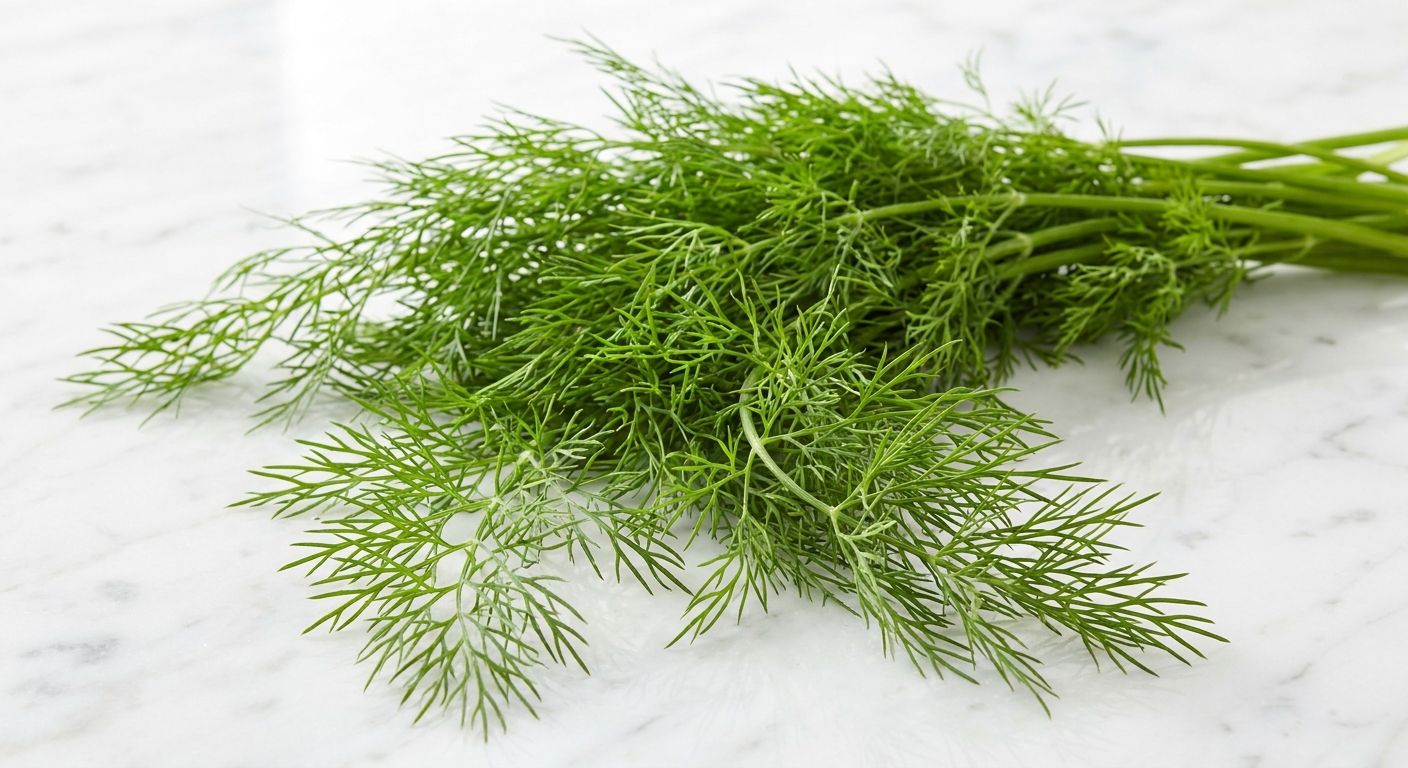
Kenya Dill Export: Premium Aromatic Herb for International Food Processors
Dill — the feathery, celery-family herb known for its distinctive anise-adjacent aroma and clean flavour — is a commercially significant herb in European delicatessen, Scandinavian cuisine, Middle Eastern food processing, and North American food service. Kenya grows dill year-round, benefiting from consistently available soil nutrients, rainfall, and sun that produce a quality product with strong freshness retention.
Why Kenya Dill Stands Out in the Export Market
Kenya’s key competitive advantage for dill production is its year-round growing cycle. Unlike seasonal herb-producing regions in Europe and the Middle East, Kenya does not experience growing interruptions, meaning buyers can maintain stable sourcing schedules across 12 months without price spikes or supply gaps.
Kenya dill is also noted internationally for its strong freshness retention — a quality prized by importers who depend on herbs arriving at destination markets in commercially viable condition after long-haul shipping.
Nutritional Profile — Commercial Appeal for Health Products
- Rich in protein, carbohydrates, phosphorous, iron, magnesium, sodium, and potassium
- Riboflavin, niacin, thiamin, Vitamin B6, and pantothenic acid — supports energy metabolism and red blood cell production
- Traditional medicinal applications — used in treating infections, fever, cough, kidney conditions, and cholesterol management
These credentials make Kenya dill increasingly attractive not only to food processors but to nutraceutical and health supplement formulators.
Key Commercial Applications
- Fresh herb retail packs (whole fronds)
- Pickle and preserved cucumber processing
- Seafood processing (dill-smoked salmon, gravlax)
- Salad and soup garnishing for food service
- Dried dill production and spice packaging